8 Best Anti-Aging Peptides 2024 | Evidence-Based Guide
Medically reviewed by the Vea Health Clinical Team
TL;DR: Anti-aging peptides show promising results in clinical settings, with studies documenting improvements in cellular repair, skin quality, and metabolic function. Research in Advanced Healthcare Materials (2024) identified specific peptide sequences demonstrating strong antioxidant and cellular protection properties. Patients beginning peptide protocols often report noticeable changes within 4-8 weeks.
The best anti-aging peptides 2024 represent a shift in how adults approach healthy aging. These short chains of amino acids act as cellular messengers, signaling your body to support processes that naturally decline with age.
Unlike traditional approaches, peptides work with your body's existing systems. They don't replace anything. They remind your cells how to function more efficiently.
This guide examines eight peptide protocols backed by clinical evidence and real-world patient experiences. Each option offers distinct benefits for adults seeking evidence-based anti-aging protocols.
1. GHK-Cu (Copper Peptide)
GHK-Cu combines a three-amino-acid sequence with copper ions to support tissue repair and skin health. First identified in human plasma, this peptide has been studied for its role in wound healing and collagen production. Patients incorporating GHK-Cu into their protocols often report improvements in skin texture and reduced appearance of fine lines within 6-12 weeks.
Why It Matters
Research published in 2024 examining peptide mechanisms found that specific sequences demonstrate significant cellular protection capabilities. GHK-Cu has been studied in clinical settings for over four decades, with researchers noting its involvement in multiple pathways related to tissue remodeling. According to studies on copper-binding peptides, GHK-Cu appears to support the body's natural collagen synthesis processes. The peptide's copper component plays a role in enzyme activation related to skin health. Patients at physician-led clinics frequently report visible changes in skin firmness and elasticity. Clinical experience suggests GHK-Cu works best when combined with comprehensive skin health protocols. The peptide may support healthy inflammatory responses in aging tissue. Many physicians prescribe GHK-Cu as part of broader regenerative medicine approaches. It's particularly valued for its dual action on both structural and cellular aging markers.
2. BPC-157
BPC-157 derives from a protective protein found in stomach acid. This 15-amino-acid sequence has gained attention for its potential role in supporting tissue repair throughout the body. Research suggests it may help maintain healthy gut lining and support recovery from physical stress, making it popular among active adults over 40.
Why It Matters
BPC-157 has demonstrated significant effects in preclinical models examining tissue protection and repair mechanisms. A comprehensive analysis in Current Pharmaceutical Design documented its involvement in various healing pathways. The peptide appears to support blood vessel formation and healthy inflammatory responses. Patients using BPC-157 as part of their protocol have reported improvements in joint comfort and digestive function within 2-4 weeks of consistent use. Clinical observations suggest the peptide may support tendon and ligament health, though human studies remain limited. Physicians often consider BPC-157 for patients recovering from injuries or experiencing age-related joint discomfort. The peptide's mechanism likely involves multiple growth factor pathways. It's particularly interesting for its potential to support gut-brain axis function, an area of growing interest in anti-aging medicine. Many integrative practitioners view BPC-157 as a foundational peptide for tissue maintenance protocols.
3. What Makes Thymosin Alpha-1 Effective?
Thymosin Alpha-1 focuses on immune system support rather than visible aging markers. This 28-amino-acid peptide naturally occurs in the thymus gland, which shrinks significantly after age 30. Clinical studies have examined its role in supporting healthy immune responses, particularly in older adults whose immune function naturally declines.
Why It Matters
The immune system's gradual decline represents one of aging's most significant challenges. Thymosin Alpha-1 has been studied extensively in clinical settings, with research documenting its effects on various immune cell populations. According to peer-reviewed studies, the peptide appears to support T-cell maturation and function. Patients incorporating Thymosin Alpha-1 into their wellness protocols often report fewer seasonal illness episodes and improved recovery times. The peptide works by modulating immune system signaling pathways rather than simply boosting all immune responses. This targeted approach makes it valuable for adults seeking to maintain robust immune function as they age. Clinical experience at peptide therapy clinics suggests it pairs well with other longevity-focused interventions. The peptide's ability to support both innate and adaptive immunity makes it unique among anti-aging protocols. Many physicians consider it essential for comprehensive age-management programs.
4. Can Epitalon Support Cellular Aging?
Epitalon consists of four amino acids designed to mimic a pineal gland hormone. Research has examined its potential effects on telomere length and circadian rhythm regulation. This peptide gained attention after studies suggested it might influence cellular aging markers, though human research remains in early stages.
Why It Matters
Telomeres protect chromosome ends, shortening with each cell division until cells can no longer divide properly. This process underlies many age-related changes at the cellular level. Epitalon has been studied primarily in preclinical models, with researchers noting changes in telomerase activity and telomere length. A 2023 bioinformatics study in Aging Medicine explored computational methods for identifying compounds that might influence cellular senescence. Epitalon appears in scientific literature examining pineal gland function and melatonin regulation. Patients using Epitalon protocols have reported improvements in sleep quality and energy levels, though these effects may relate to circadian rhythm support rather than direct cellular changes. The peptide typically runs in short cycles rather than continuous use. Its potential influence on the biological aging clock makes it fascinating to longevity researchers. Clinical applications remain exploratory, with most physicians recommending it as part of comprehensive protocols rather than standalone treatment.
5. CJC-1295/Ipamorelin Combination
This peptide combination supports natural growth hormone release without replacing it. CJC-1295 extends the duration of growth hormone pulses, while Ipamorelin triggers release at physiologically appropriate times. Together, they create a protocol that works with your body's existing rhythms rather than overriding them.
Why It Matters
Growth hormone production declines roughly 15% per decade after age 30, contributing to changes in body composition, skin quality, and recovery capacity. The CJC-1295/Ipamorelin combination has become one of the most prescribed peptide protocols at physician-led wellness clinics. Unlike direct hormone replacement, these peptides stimulate your pituitary gland to release growth hormone in natural pulses. Patients beginning this protocol often report improvements in sleep quality within the first 2-3 weeks, followed by gradual changes in body composition over 3-6 months. Clinical experience suggests benefits include enhanced recovery from exercise, improved skin thickness, and better metabolic efficiency. The combination's ability to preserve natural hormone pulsatility makes it preferable to continuous hormone administration. Research on growth hormone secretagogues indicates they maintain more physiologic patterns than direct replacement. Most protocols involve evening administration to align with natural nocturnal growth hormone release. This approach minimizes disruption to your body's existing feedback systems.
6. How Do NAD+ Precursor Peptides Work?
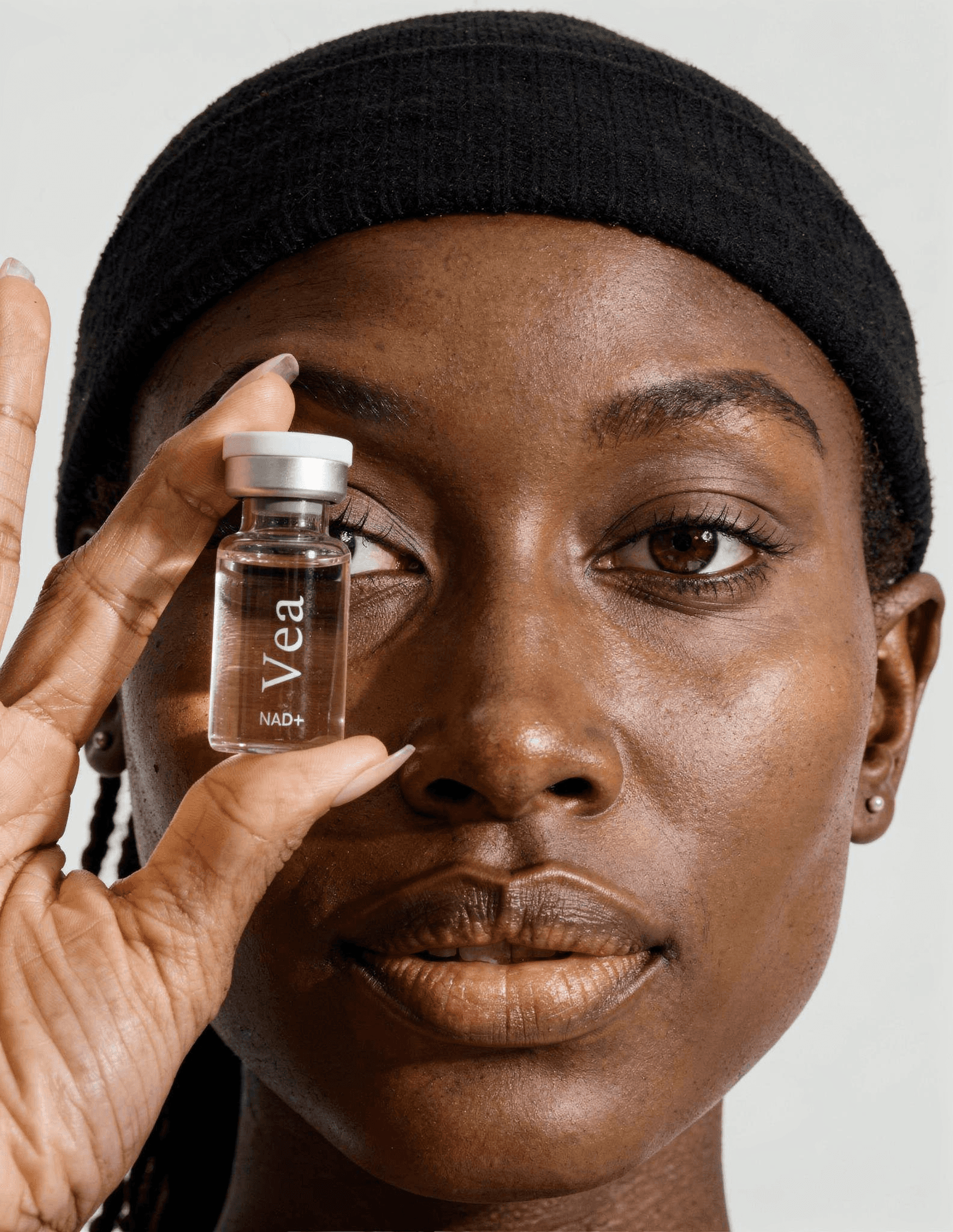
NAD+ (a molecule your cells use for energy) declines significantly with age, dropping nearly 50% between ages 40 and 60. Peptide-based NAD+ precursors aim to restore these levels more efficiently than oral supplements. They support cellular energy production, DNA repair mechanisms, and healthy metabolic function across multiple organ systems.
Why It Matters
Every cell in your body requires NAD+ for energy metabolism and cellular repair. Age-related NAD+ decline affects everything from brain function to skin health. Research examining peptide delivery methods suggests they may achieve better cellular uptake than traditional oral supplements. Patients receiving NAD+ precursor protocols through physician-led clinics frequently report increased mental clarity and physical energy within 1-2 weeks. The peptides work by providing building blocks your cells readily convert to active NAD+. Clinical studies have documented improvements in markers related to mitochondrial function and cellular stress resistance. The approach addresses aging at the cellular energy level rather than targeting individual symptoms. This makes NAD+ precursors valuable for adults noticing multiple age-related changes simultaneously. The cellular energy restoration effect often translates to improvements across seemingly unrelated body systems. Many integrative physicians consider NAD+ optimization foundational to any serious anti-aging protocol.
7. MOTS-c for Metabolic Health
MOTS-c represents a newer class of mitochondrial-derived peptides that may support metabolic health and exercise response. This 16-amino-acid sequence originates from mitochondrial DNA rather than nuclear DNA. Early research suggests it influences how your body responds to exercise and manages blood sugar, making it particularly interesting for adults experiencing metabolic changes.
Why It Matters
Metabolic efficiency naturally declines with age, contributing to weight gain, reduced exercise capacity, and blood sugar management challenges. MOTS-c has been studied in preclinical models examining metabolic regulation and insulin sensitivity. According to research on mitochondrial peptides, MOTS-c appears to influence gene expression related to metabolism and stress resistance. The peptide may help maintain healthy metabolic flexibility, which is your body's ability to switch efficiently between fuel sources. Patients incorporating MOTS-c into protocols alongside lifestyle modifications have reported improved exercise tolerance and body composition changes. The peptide's unique mitochondrial origin distinguishes it from traditional peptides encoded in nuclear DNA. This suggests it may interact with cellular energy systems differently than other options. Clinical applications remain exploratory, but early patient experiences show promise for metabolic optimization. Many physicians consider MOTS-c for adults whose primary aging concerns center on metabolic health and energy levels.
8. Sermorelin for Natural Growth Hormone Support
Sermorelin stimulates your pituitary gland to produce growth hormone using your body's natural feedback systems. This 29-amino-acid peptide mimics growth hormone-releasing hormone, triggering physiologically normal release patterns. It's often chosen by patients seeking growth hormone benefits while maintaining natural regulatory mechanisms.
Why It Matters
Sermorelin has been used in clinical practice for decades, initially developed for growth hormone deficiency in children. Adult applications focus on supporting healthy aging by maintaining more youthful growth hormone levels. The peptide preserves your body's natural negative feedback loops, meaning production adjusts based on your needs rather than providing constant stimulation. Patients beginning Sermorelin protocols typically notice sleep quality improvements first, followed by gradual body composition changes over several months. Clinical experience suggests benefits accumulate over time rather than appearing immediately. The peptide's preservation of natural regulatory mechanisms makes it appealing for long-term use. Research on growth hormone-releasing peptides indicates they maintain pituitary responsiveness better than direct hormone administration. Many physicians prefer Sermorelin for adults just beginning to experience age-related growth hormone decline. It offers a physiologic approach that works with your body rather than overriding it. Most protocols involve daily evening administration to align with natural nocturnal growth hormone pulses.
How We Evaluated These Peptides
This list prioritizes peptides with substantial clinical history and evidence-based applications in age management. We evaluated options based on several criteria.
First, we examined available peer-reviewed research, prioritizing peptides with human studies or extensive clinical use. Second, we considered safety profiles and known side effect patterns from physician-led practices. Third, we assessed real-world patient experiences reported at integrative medicine clinics.
We focused on peptides addressing multiple aging pathways rather than single-symptom solutions. Each option needed clear mechanisms of action supported by biological plausibility. Finally, we prioritized peptides available through legitimate physician-supervised channels rather than unregulated sources.
Our evaluation excluded peptides lacking sufficient safety data or those making unsupported claims. We also considered practical factors like administration methods and protocol complexity.
Peptide | Key Benefit | Evidence Level | Best For |
|---|---|---|---|
GHK-Cu | Skin health & tissue repair | Extensive preclinical, some human | Visible aging signs |
BPC-157 | Tissue repair & gut health | Strong preclinical, limited human | Active adults with joint concerns |
CJC-1295/Ipamorelin | Natural GH support | Clinical use, secretagogue research | Body composition & recovery |
Thymosin Alpha-1 | Immune system support | Extensive clinical studies | Immune function maintenance |
NAD+ Precursors | Cellular energy restoration | Growing human research | Energy & mental clarity |
Research in Advanced Healthcare Materials (2024) identified peptide sequences with excellent antioxidant capacity
Study used advanced screening methods to evaluate peptide library for cellular protection properties.
At Vea Health, we offer physician-led consultations to determine which peptides align with your specific health goals. Our clinical team evaluates your medical history, current health markers, and personal objectives before recommending any protocol.
Every patient receives personalized guidance based on their unique situation. We don't offer one-size-fits-all approaches.
Ready to explore peptide protocols personalized for your goals?
Frequently Asked Questions
How long before patients typically notice changes from anti-aging peptides?
Timeline varies by peptide and individual factors. Patients often report initial changes within 2-4 weeks for some protocols, while others show gradual improvements over 3-6 months. Sleep quality and energy typically improve before visible changes appear. Your physician can provide specific timelines based on your protocol.
Can you combine multiple anti-aging peptides?
Yes, many physician-led protocols combine complementary peptides addressing different aging pathways. Common combinations include growth hormone secretagogues with tissue repair peptides. Your clinical team will design combinations based on your goals and medical history. Proper supervision ensures appropriate timing and dosing.
Are anti-aging peptides safe for long-term use?
Safety profiles vary by specific peptide. Many have been used in clinical settings for years with well-documented safety when properly prescribed. Physician oversight includes regular monitoring and protocol adjustments as needed. Some peptides work best in cycles while others suit continuous use.
How do peptide protocols differ from hormone replacement?
Many peptides stimulate your body's natural production rather than replacing hormones directly. This preserves your natural feedback systems and regulatory mechanisms. Peptides like Sermorelin trigger your own hormone release instead of providing external hormones. This approach often results in more physiologic patterns.
What's the difference between compounded and commercial peptides?
Commercial peptides have FDA approval for specific medical conditions. Compounded peptides are custom-prepared by specialized pharmacies for individual prescriptions. Most anti-aging applications use compounded preparations tailored to your protocol. Your physician will discuss which option suits your situation.
References
Zhao F, et al. Identification of Peptides from Edible Pleurotus eryngii Mushroom Feet and the Effect of Delaying D-Galactose-Induced Senescence of PC12 Cells Through TLR4/NF-κB/MAPK Signaling Pathways. Foods (Basel, Switzerland). 2024. PMID: 39594083
Yu M, et al. Screening and Exploring the Application of the Multifunctional Antioxidant Peptides MSWLC and TSWLC. Advanced Healthcare Materials. 2024. PMID: 39101317
Nwankwo N, Okafor I. Bioinformatics procedure for investigating senolytic (anti-aging) agents: A digital signal processing technique. Aging Medicine (Milton). 2023. PMID: 38239718
Source Studies:
Anticancer effects of rutin from Fagopyrum tataricum (tartary buckwheat) against... — Molecular biology reports (2024)
Identification of Peptides from Edible Pleurotus eryngii Mushroom Feet and the E... — Foods (Basel, Switzerland) (2024)
Screening and Exploring the Application of the Multifunctional Antioxidant Pepti... — Advanced healthcare materials (2024)
Compounded medications are not approved by the FDA and have not been reviewed for safety, effectiveness, or quality.
Treatments are prescribed at provider discretion. Individual results may vary.